Unexploded Ordnances in Laos

Visiting the Laos Unexploded Ordnances Center in Luang Prabang is a sobering experience. Per capita, Laos is still the most heavily bombed nation in the world. Even now, one person almost every day is injured or killed by unexploded ordnances in Laos – sometimes by a bomb that has been there for fifty years.

During the Vietnam War, both sides agreed that Laos would be off limits. That changed when the Viet Cong and Northern Vietnamese decided to run their supply trail, the Ho Chi Minh trail, through Laos to get supplies and men from Hanoi to the south. The trail was bombed in order to keep these supplies from reaching their destination. Laos got caught in the crossfire when the North decided to involve the country regardless of any promises it made otherwise.

At the center, they had an actual collection of bombs and bombies (submunitions from cluster bombs). Of the more than 270 million bombies dropped in Laos from 1964 to 1973, 30% failed to detonate. There were examples of the educational tools they use to teach children and adults regarding protocol and awareness. There was also a walk through of what it takes to either detonate or disarm and remove the munitions.

There were also several sad stories of personal loss. As you can imagine, each story is devastating – and those were only the few that were told in this small space. A farmer reached his hand down in his own rice paddy, where he had been farming for years, and knocked a bombie around that he didn’t know was there. The ensuing explosion blew off his arm. His wife discussed the hardship now placed on her and their children in order to replace the amount of labor and income he provided for the family – some of their children had to leave school to work the fields. He teared up as he talked about the emotional toll it takes on a man when he can’t provide for his family, and how he can’t even do household chores properly.

One story that really stuck with me was that of a young boy, visiting a village from the city. This urban child had not grown up with UXO awareness and training. He was out playing with some of the village boys, when he ran across a shiny ball kind of thing. He picked it up to show his new pals, who recognized the UXO immediately and started screaming “get rid of it, don’t touch it, drop it!” as they all took off running. Confused, he threw the bombie on the ground and was killed in the resulting explosion.

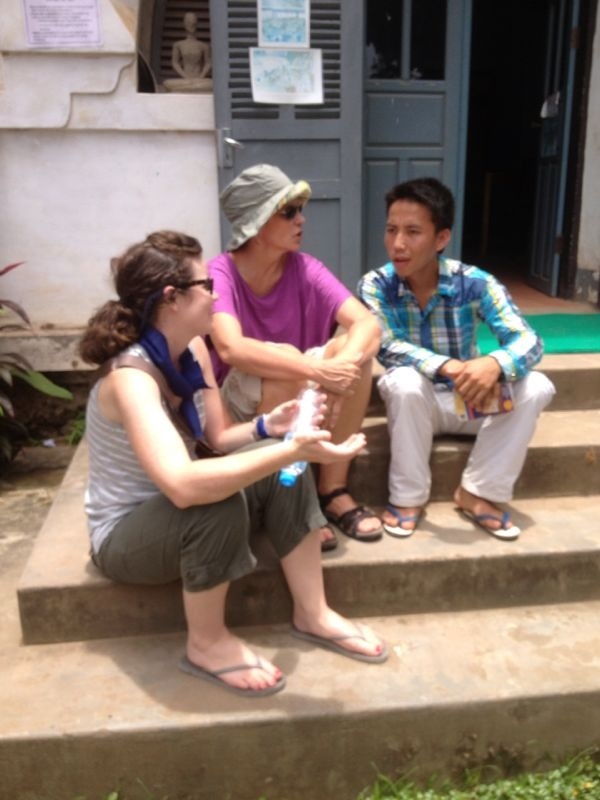
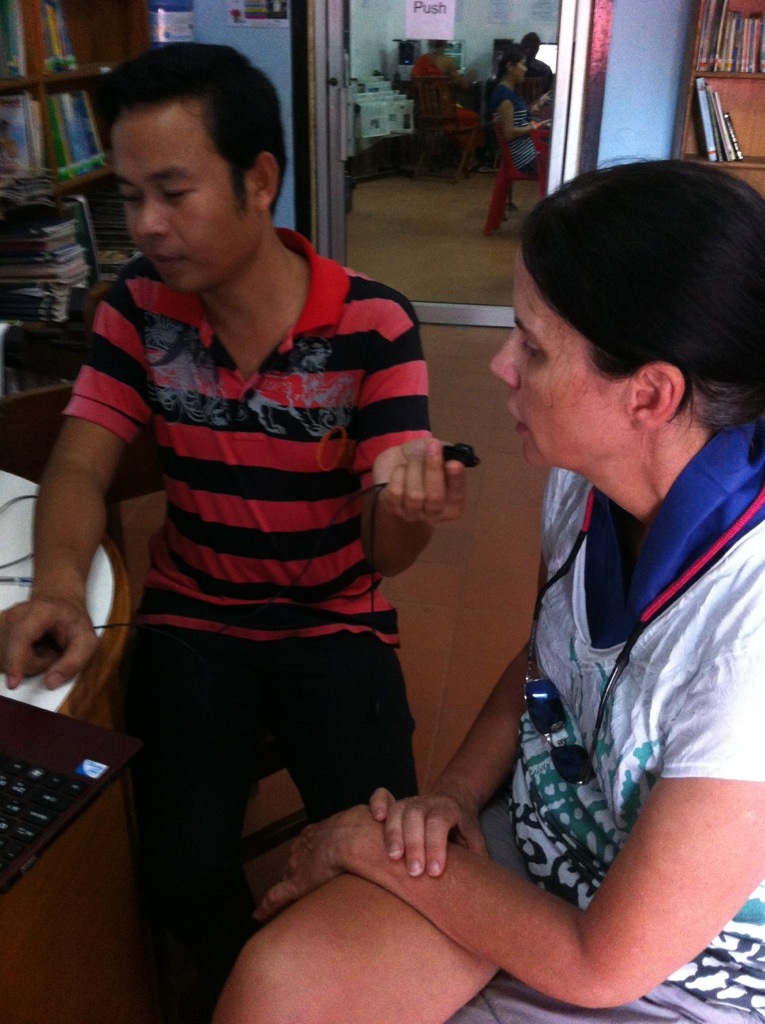
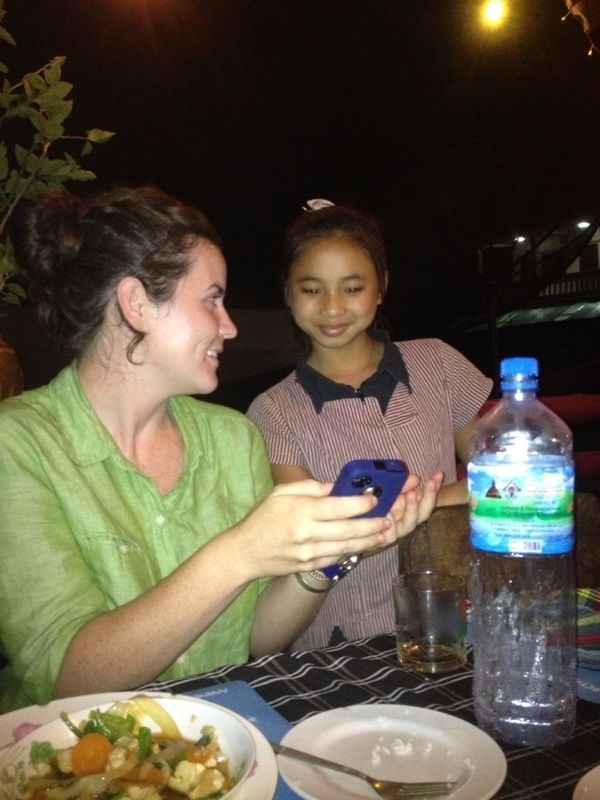
Later that night, I asked my pal Chai if he had ever seen a bomb. He told me that there are still three bombs in the village where he grew up. “Why don’t the detonator guys care of them – isn’t that their job?” I asked. “It’s too rural,” he replied, “it’s a five hour hike through the mountains to get there.”

“What do you do about it, how do you live?” I asked. “Nobody goes near them – that’s all we can do,” he said.

Then he grimly asked, “you know who most of those bombs are from, right?”

“Yeah, I know.” We looked at each other, and then changed the subject.

Four weeks later, my heart is still breaking over these stories and that conversation. What must it be to live in fear for your self, your family and friends every day? And for the cause of this fear to be something not only beyond your control but for many of those affected, it is something from a generation or two before you. A leftover from a different time.

All facts and figures can be found here.

Khàwp Ja̖i Lãi Lãi, Tamarind!

Khàwp jai lãi lãi means thank you very much in Laos (sounds to me like hop jie la lie – but then again, I got some laughs so that might not be right!).

Tamarind is a delicious brown lumpy thing that tastes waayyy better then it looks. Also, the name of my new favorite restaurant in Laos. (Sorry, JOMA!)

Our guest house was only a block down the road from the restaurant so on our first night in town we strolled in to have dinner, and were turned away because they were full. (Must be good!) We made a reservation, and noticed a posting saying the next vacancies for the cooking class was the night class two nights away. So we signed up for the cooking class right then, too. We ate the next night, and then the class was the night after.

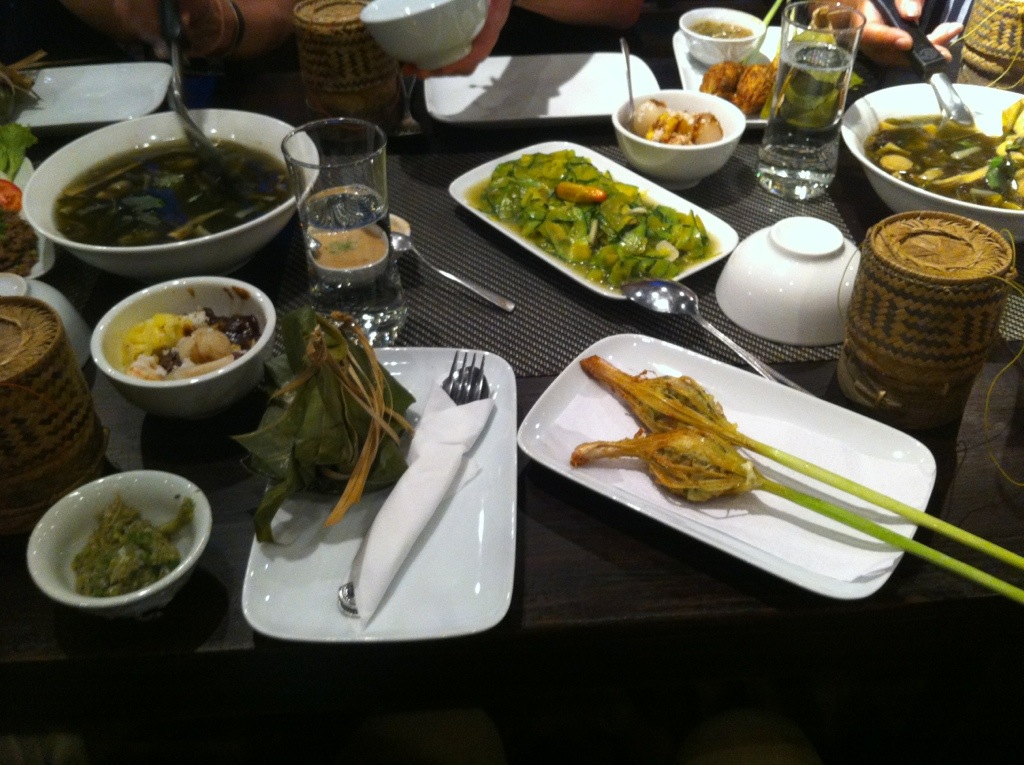
We began our quality time with Tamarind at dinner with a set Laos specialty menu. Lao people love them some sticky rice. They eat it with everything. The most common utensil they use is their hands, which was a nice break for my on-again, off-again chopstick skills.

The set menu started off with several kinds of jeow, which are dipping sauces for the sticky rice. There were also some sausages, water buffalo jerky and other relishes, along with these river seaweed-stuff chips that I was really digging.

20130821-215858.jpg
not pictured: a basket of sticky rice

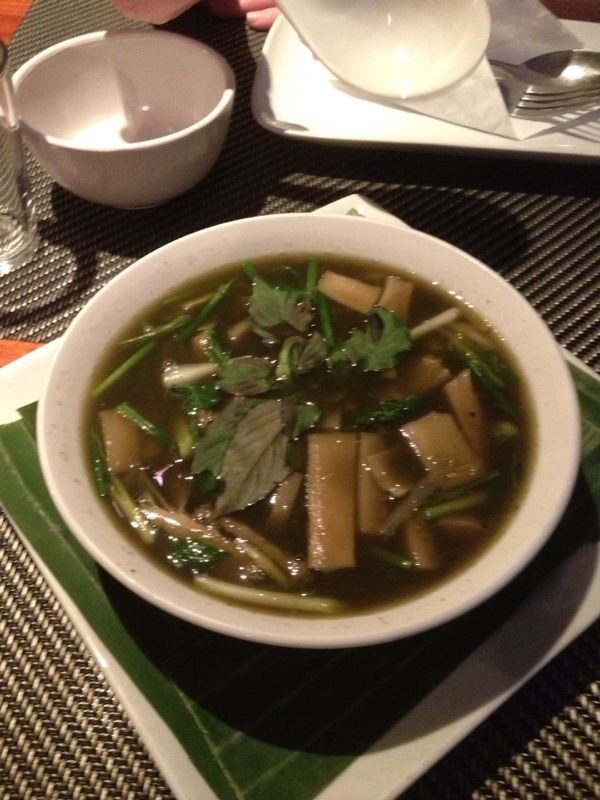
Next was vegetable and bamboo soup. It was alright. I didn’t really like texture of water-logged bamboo.

20130821-215851.jpg

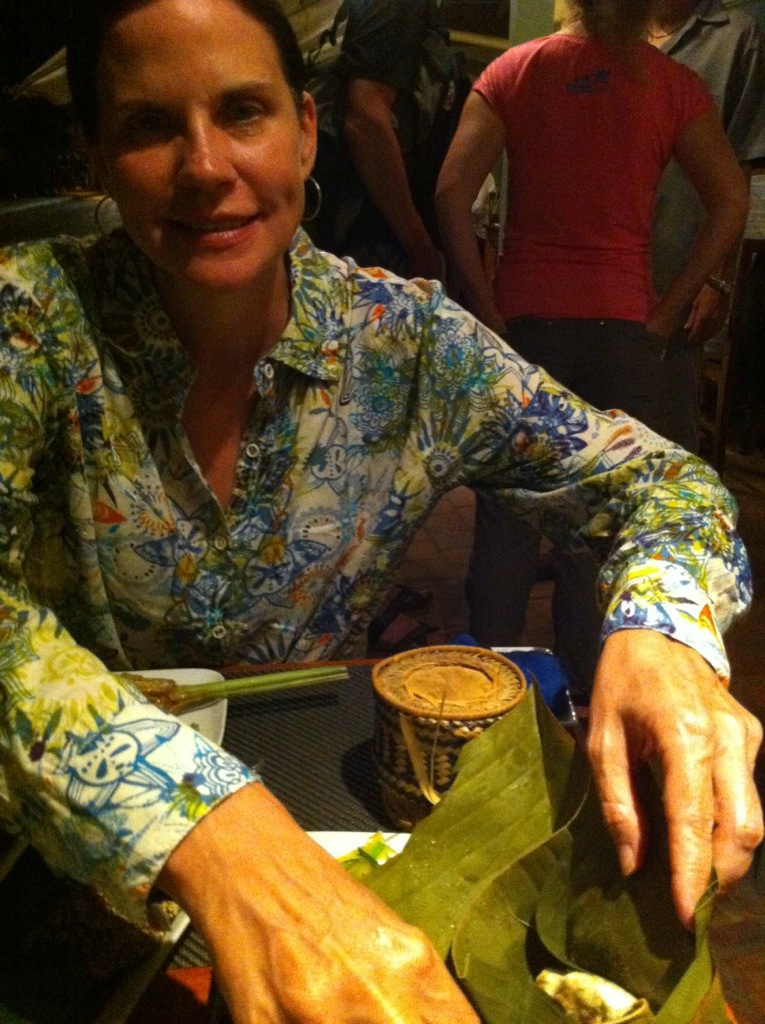
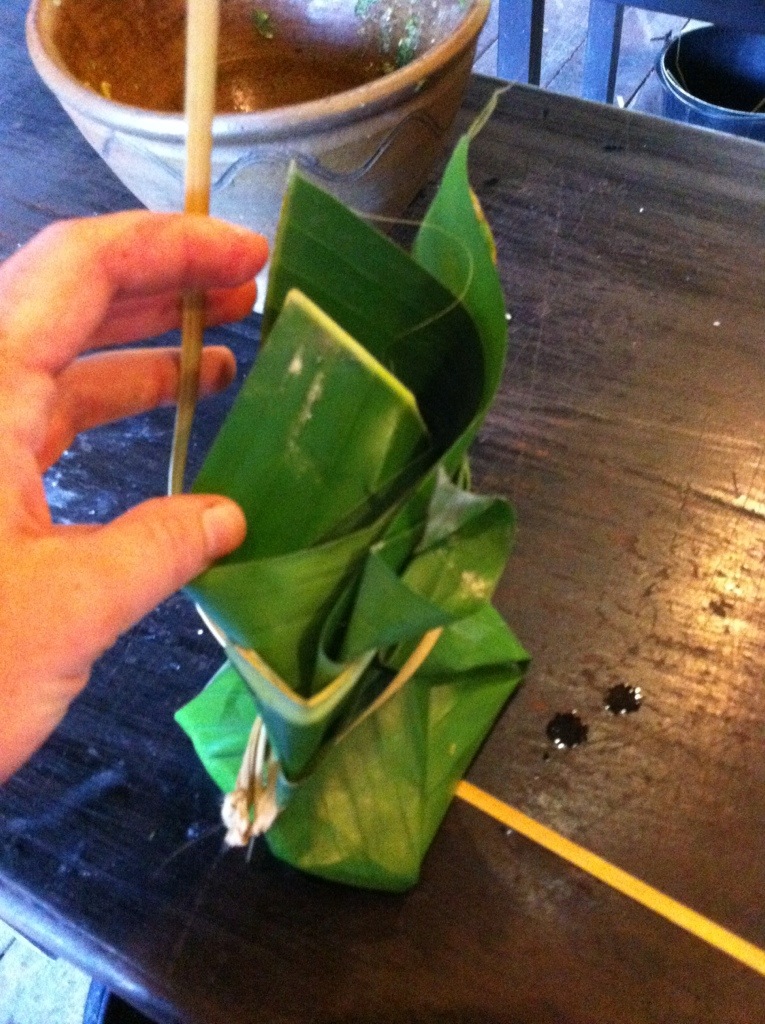
We had herbal fish steamed in a banana leaf.

it's like a present!
it’s like a present!

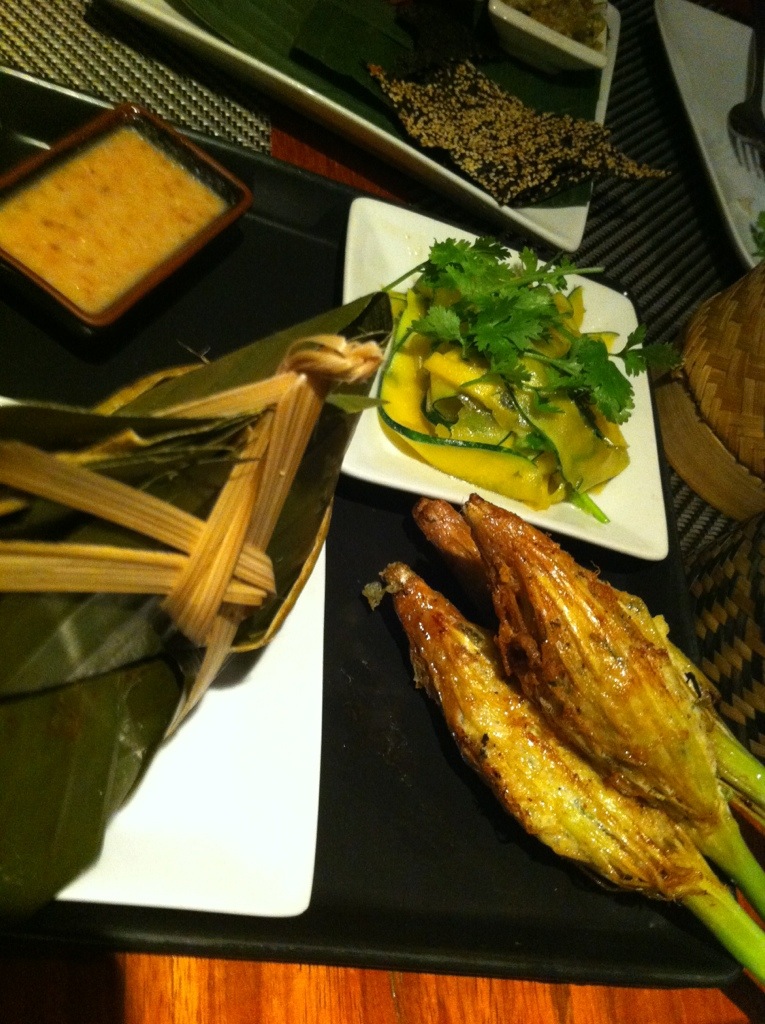
Stir fried young pumpkin with kaffir lime and ginger and lemongrass stuffed with chicken. It looked crazy complicated. It came with this great peanut sauce that I couldn’t get enough of!

pumpkin, chicken and a goodie bag of fish!

Purple sticky rice in coconut milk with tamarind sauce and some Lao “cat poop” (terrible nickname) candy – palm sugar and rice flour I think – for dessert!

20130821-215905.jpg
yes…just yes.

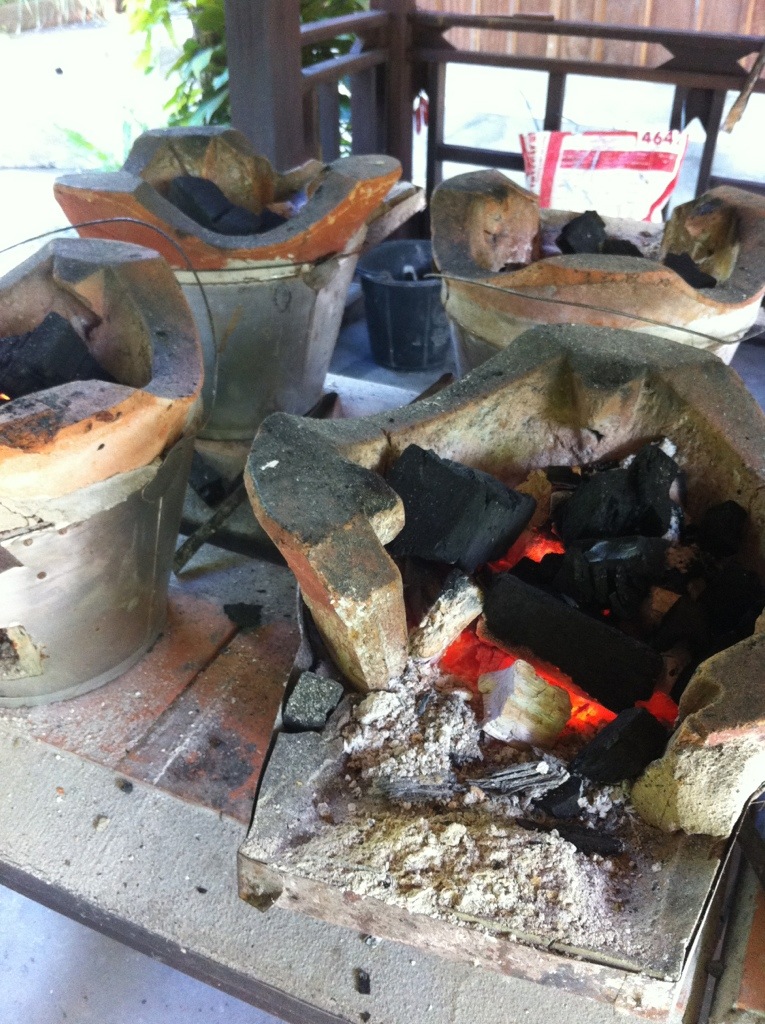
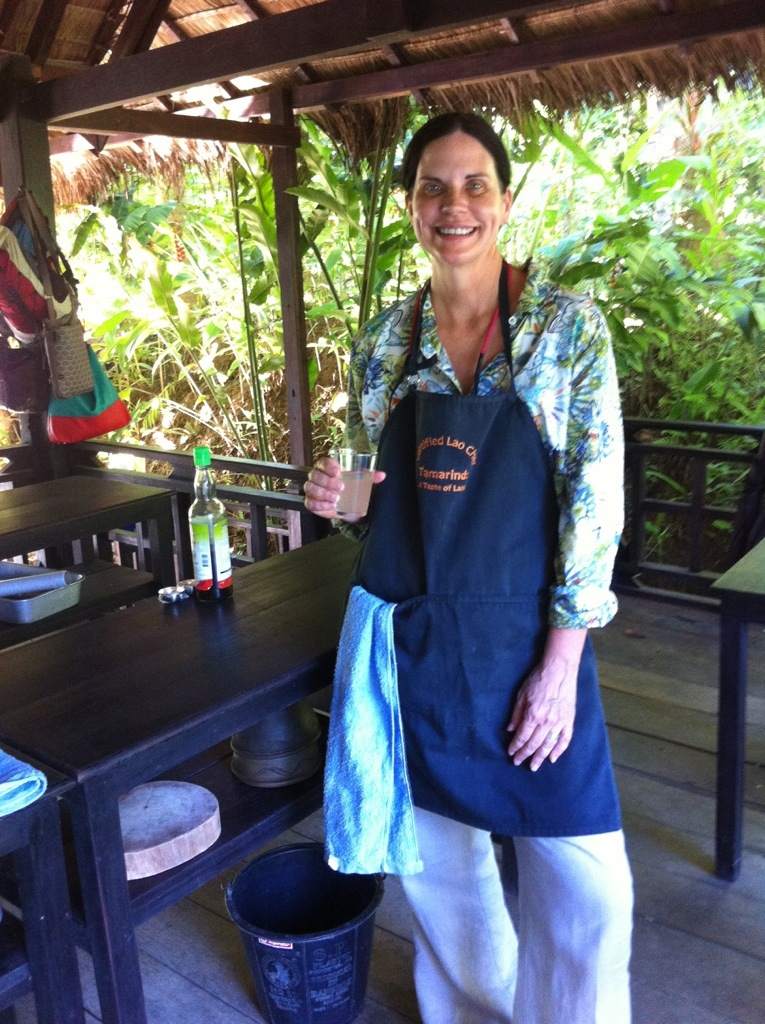
The next afternoon, we showed up at the restaurant for class. We had a glass of super-bomb lemongrass/lime aid (a lime lemongrass twist!), then hopped into a songthaew to be transported to the cooking school. It was about ten minutes’ ride to the school grounds, where the employees also live. It was besides a bubbling stream, next to a pond filled with water lilies. There were cooking stations set up under an awning in the fresh air, with a nice breeze and the sounds of the stream filling the air. There was also a garden where they grow their own fresh herbs, and stations set up with traditional flower-pot grills (hey, I just call em like I see em).

what are these called?

20130821-215015.jpg

It turned out that we learned to cook the exact menu from the previous night, including the standard sticky rice and my favorite, the sweet purple sticky rice. I could eat that every day, so no complaints here!

20130821-215038.jpg
learnin’

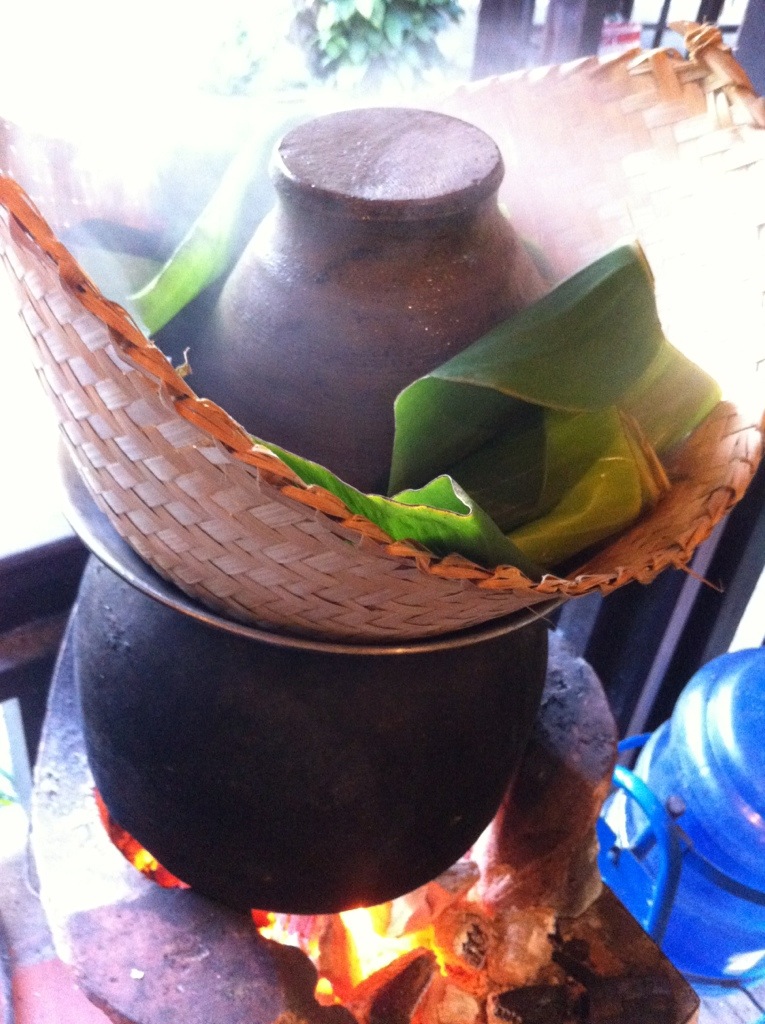
We also got to chose which jeow we made – I went with an eggplant based one and Ma went with the tomato one. There are different eggplants here than in America, and I like these much better. We grilled the vegetables before mortar-and-pestling them, so it was nice and smokey. We also gift wrapped those fish in banana leaves and steamed ’em.

20130821-215054.jpg
wrappin’
steaming basket
steamin’

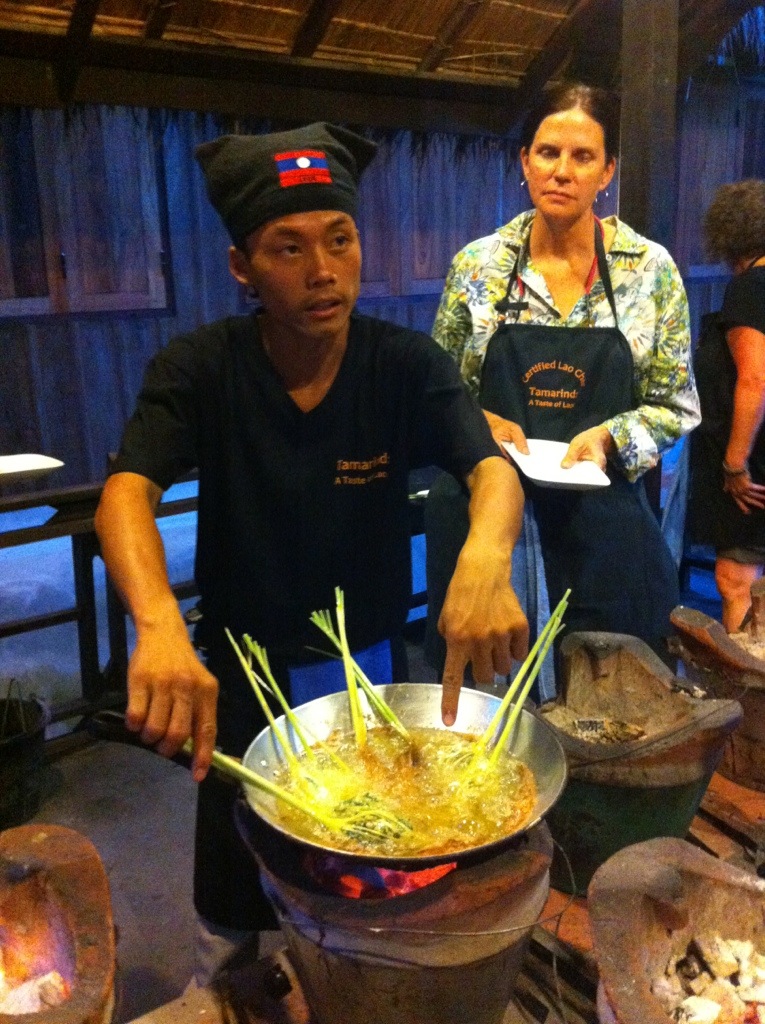
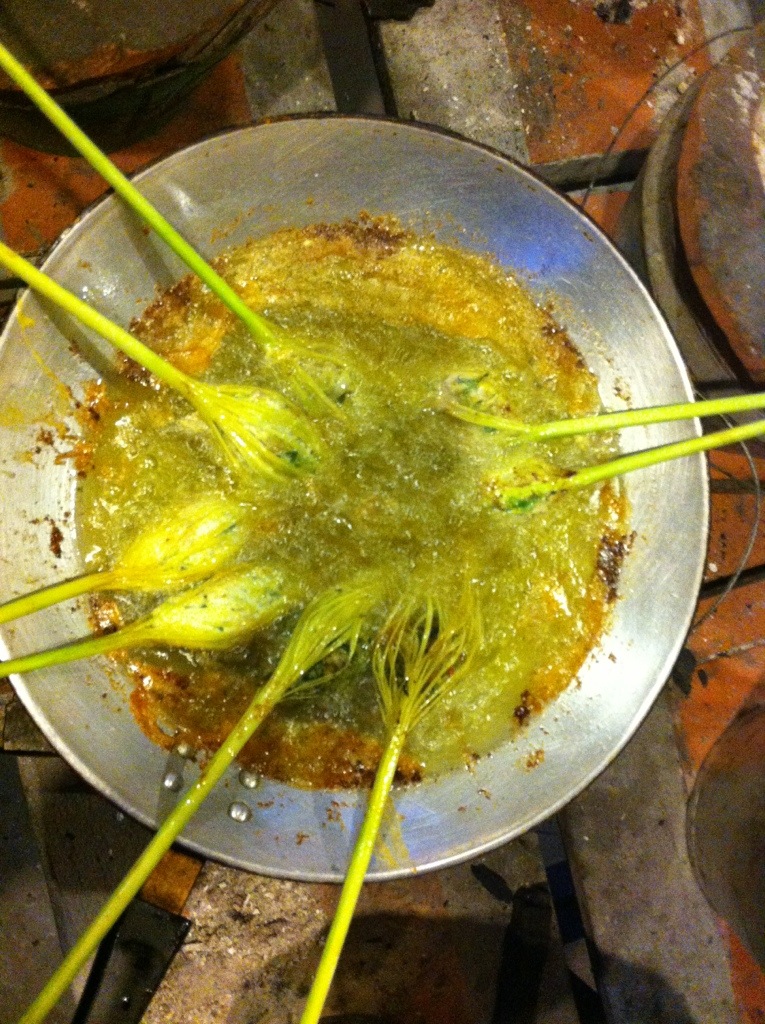
The lemongrass stuffed with chicken was much easier than it looked. Mom’s gluten intolerance was the only food allergy, although one lady couldn’t (or wouldn’t) eat pork, and one simply refused to eat any chicken (two of my favorite things!). They simply switched ingredients around for the ladies, and even let me stuff my lemongrass with pork since we had chicken the night before.

fry captain
fry captain

20130821-215217.jpg

After all the cooking, we feasted! Besides Mom and me, there was an Australian lady planning on making the lemongrass chicken for her family’s Christmas dinner, a girl traveling solo from Singapore and a couple of older Dutch women who rolled their own cigarettes and smoked with reckless abandon (as you do). The water lillies opened up while we were eating, which I had never seen actually happen before. Magical.
yum!
yum!

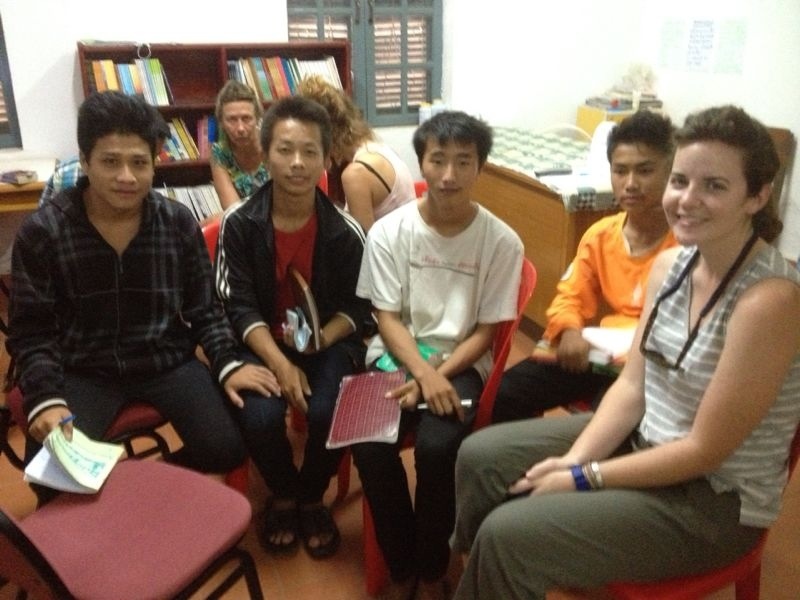
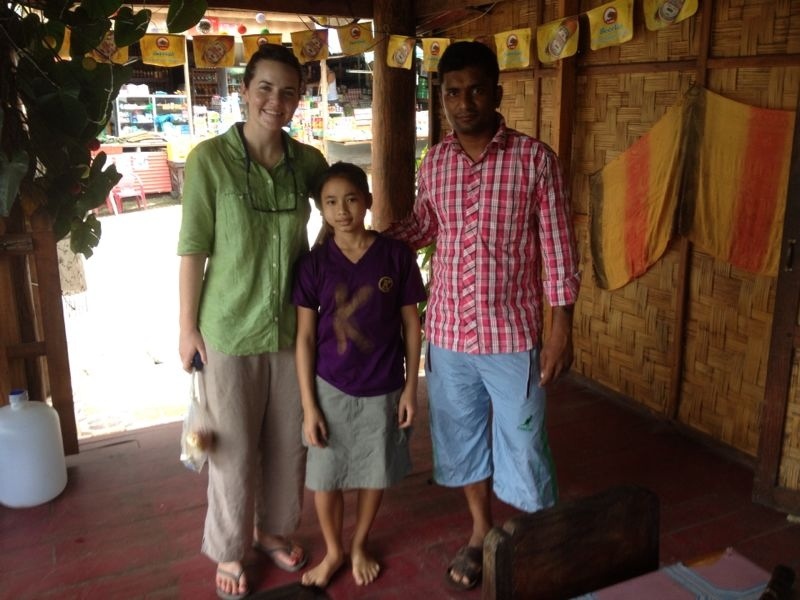
I’ve really enjoyed both the cooking classes we’ve taken, but they were both two different experiences. It was nice to have other people to chat with this time, and our instructor, Chai, and I are big pals now. At dinner, we all talked about our travels and future plans, and in fact ended up on the same airplane later to Hanoi with the Australian lady and her husband.

i made these!
i made these! (that’s a sticky rice basket on the right – keeps it from drying out)

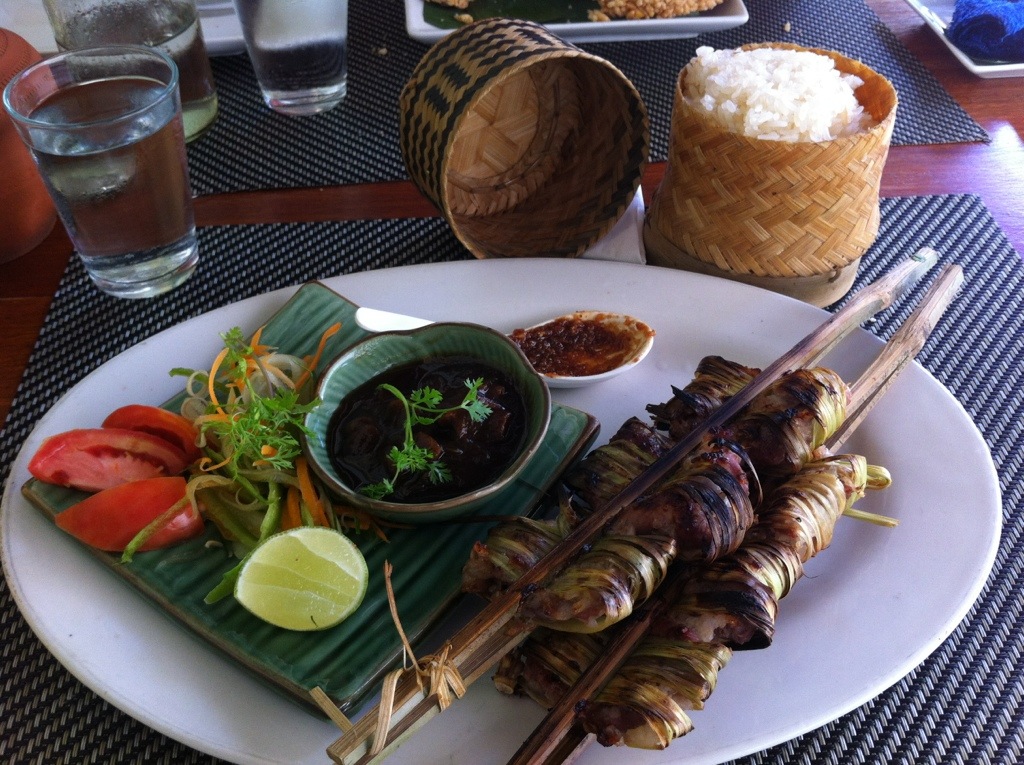
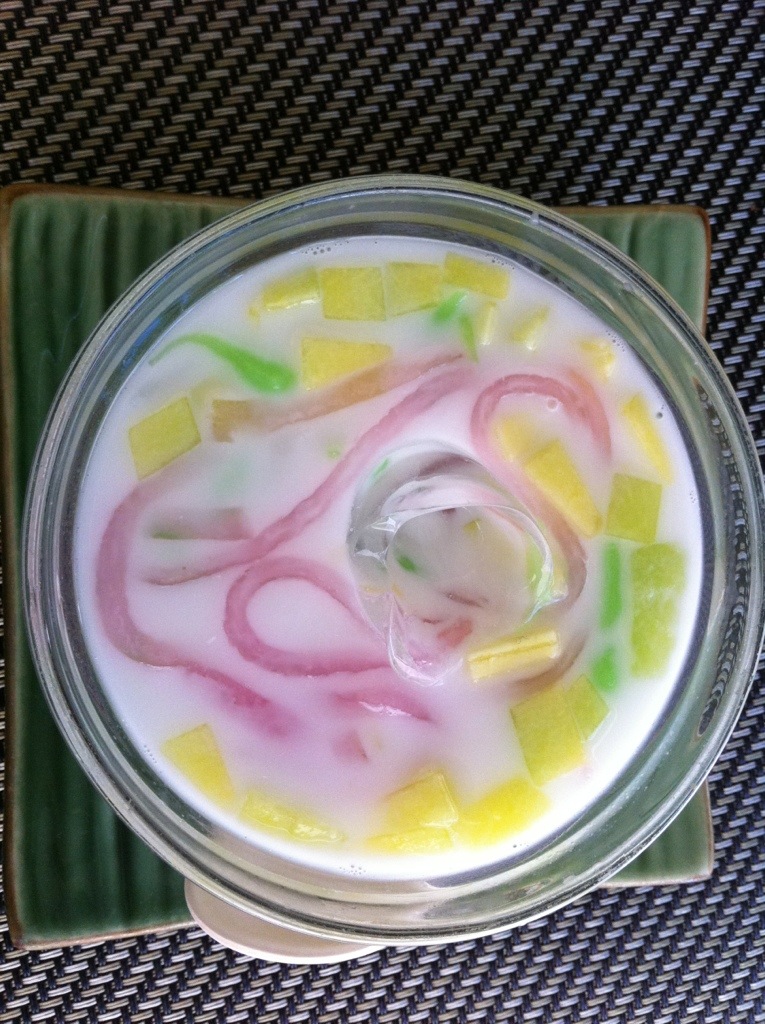
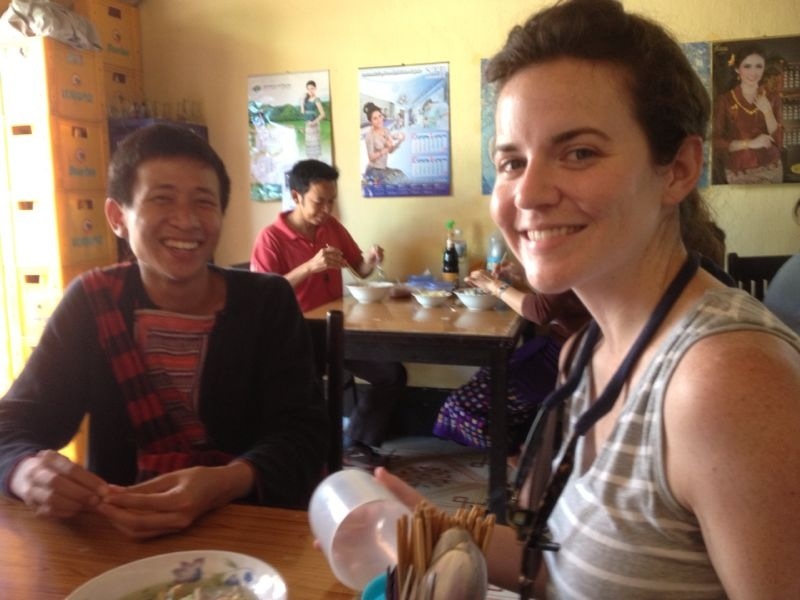
We totally went back to Tamarind for lunch the next day to try something different – don’t judge! We had pork wrapped in lemongrass skewers, my favorite jeow – jeow bong, which is a sweet and spicy chili paste. Mom had a pumpkin & coconut milk soup, served with a giant rice cracker. We also got some little candies for dessert, and some cold dessert soup – coconut milk with jellies and tapioca in it.

20130821-215246.jpg
great last lunch in laos!
dessert
dessert

Before Laos, I had decided that I didn’t particularly care for the taste of lemongrass, but after the past few days I have come to like it. Maybe it’s the combinations I’ve tried here that I hadn’t had previously. I was also really into that lime lemongrass twist!

Ock Pop Tok Is A Fun Thing to Say

Ock Pop Top means east meets west, which is actually a good title for this entire trip I think. It is also the name of a social enterprise that seeks to empower women through their traditional skills, as well as promote Laos textile design.

intricate loom work
intricate loom work

We made our way to one of their store fronts in Luang Prabang, and after a bit of nosing around we took advantage of the free tuk tuk ride offered to those who wish to visit the Living Crafts Centre.

Besides the two storefronts in town, there is a restaurant, weaving and dyeing classes, a few villas available for rental all out in a shaded area on the bank of Mekong River. There are artisans and weavers working away on sight, a free guided tour and a gift shop.

silk cocoons
silk cocoons

We took a look at the silk worms and their cocoons, the dyeing process and the artisanal weavers doing their thing. The weavers come from villages to learn new weaving techniques and practice. The male role in all this is to help build looms, but an interesting thing is that they also weave bamboo and women don’t. In fact, the tour guide told me if a man can’t weave bamboo, he’s not even worth a second glance!

looks....complicated
looks….complicated

There was also a family taking a class on dyeing, which was kind of a funny activity for two boys (the teenage girl and mom looked right at home, though!).

natural dyed colors
natural dyed colors

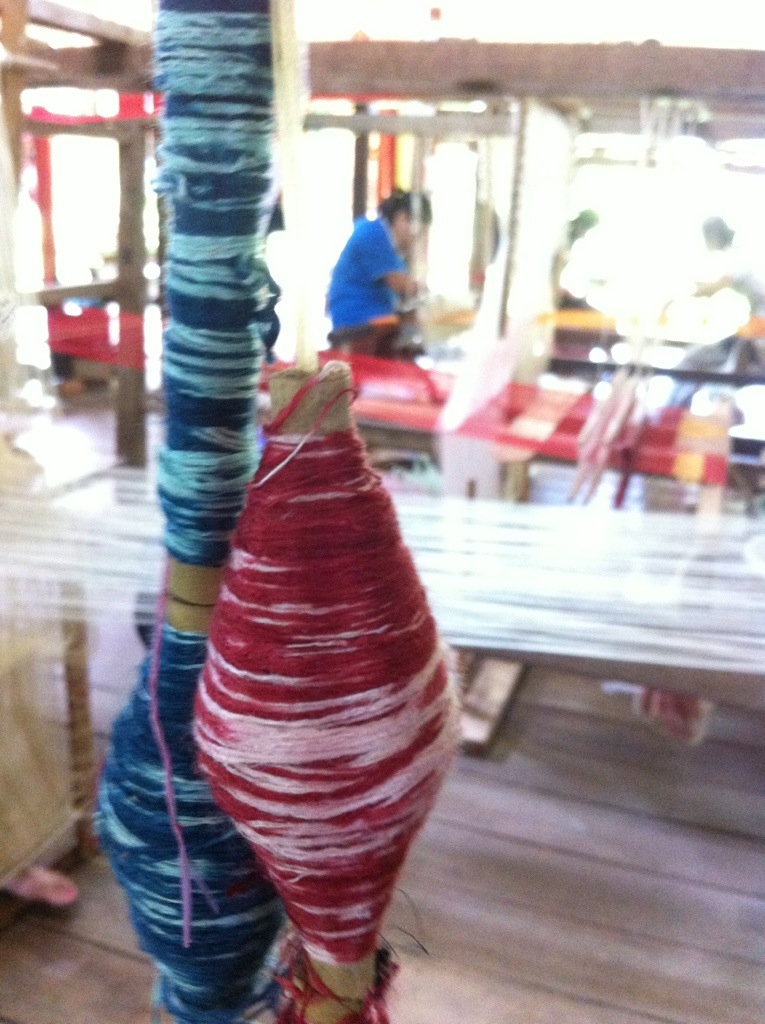
It was so interesting to see ladies using the loom – I still don’t get how that works! Especially ikat, where they dye the pattern on the silk before they weave it. That doesn’t even make sense to me.

ikat silk drying after dyeing

It was a nice quiet break from tourists and traffic for a while. It’s definitely worth a visit if you’re in the area you aren’t familiar with the silk weaving process.

ikat thread on a spool - looks a mess!
ikat thread on a spool – looks a mess!

Since then, we have been to a couple of silk farms and other similar places, but this one was my favorite – maybe because it was really my first time seeing everything in action.

and finally, ikat on a loom